
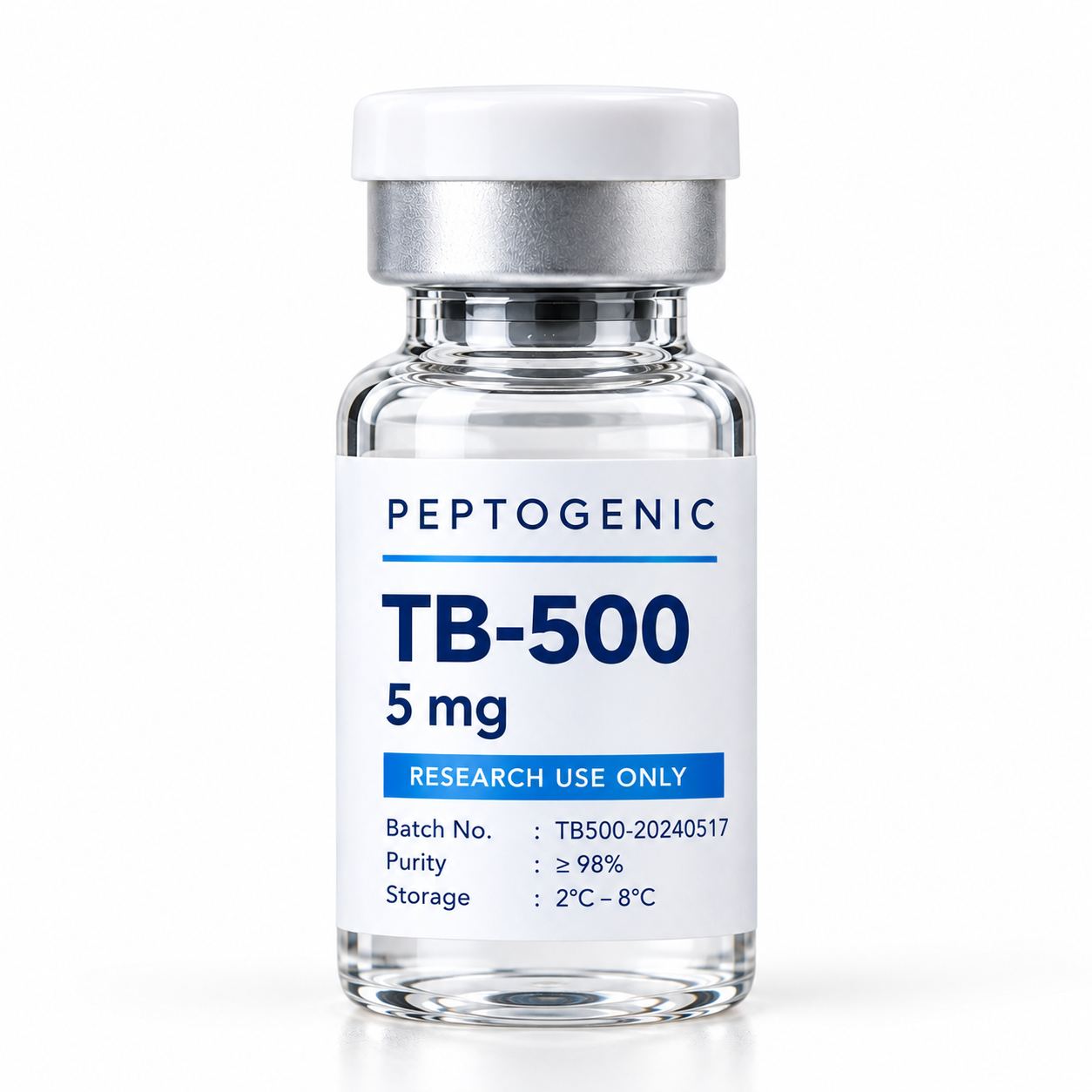
TB-500 Mechanism of Action Explained
What is TB-500?
The TB-500 mechanism of action describes how this synthetic peptide fragment derived from Thymosin Beta-4 (TB4) interacts with cellular pathways involved in tissue repair, actin regulation, and regeneration signaling.
TB-500 is studied in research involving cell migration, wound healing pathways, and inflammatory response modulation.
⚡ TB-500 Mechanism of Action
TB-500 works through pathways related to cellular movement and structural protein regulation.
Core biological actions:
- Regulation of actin-binding proteins
- Support of cell migration and differentiation pathways
- Modulation of inflammatory signaling responses
- Involvement in tissue repair and regeneration models
🧠 TB-500→actin regulation→cell migration→tissue repair signaling
Key Research Applications
TB-500 is studied in experimental models involving:
- Tissue regeneration research
- Cellular migration pathways
- Muscle and connective tissue studies
- Wound healing signaling mechanisms
- Inflammatory response modulation
Scientific Context
Research involving TB-500 and Thymosin Beta-4 is documented in:
These databases contain studies related to cellular regeneration, tissue repair, and actin-mediated signaling pathways.
Regulatory Considerations (Europe)
Biologically active peptides and regenerative compounds are overseen by:
Classification and approval status vary by region and intended application.
Safety & Compliance Note
TB-500 is a biologically active research compound studied in laboratory and experimental environments. Usage should follow appropriate scientific and regulatory frameworks.
Hanna may –
A high-quality product that truly delivers. My recovery and stamina have both improved significantly.
James wilson –
Fantastic experience. The peptides support my training goals perfectly and show real results.
Marcus J. –
Good pricing, solid quality, and fast delivery. Can’t really ask for more.