
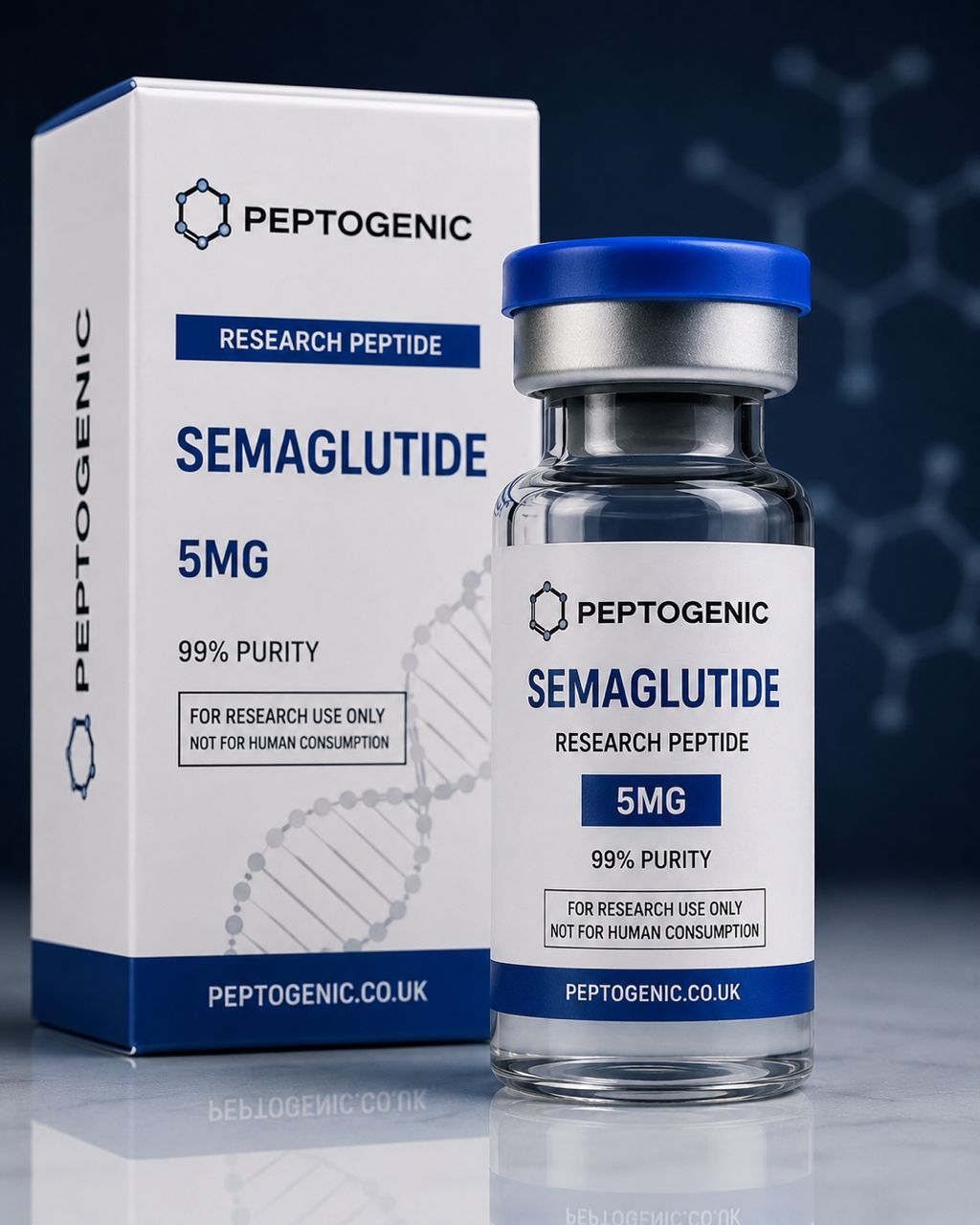
Semaglutide Peptide Mechanism of Action Explained
What is Semaglutide?
The Semaglutide mechanism of action explains how this peptide functions as a GLP-1 (glucagon-like peptide-1) receptor agonist, influencing pathways involved in appetite regulation, insulin signaling, and metabolic balance.
Semaglutide peptide is widely studied and clinically used in metabolic contexts involving glucose control and weight regulation.
⚡ Semaglutide Mechanism of Action
Semaglutide works by activating GLP-1 receptor pathways involved in metabolic regulation.
Core biological actions:
- Activation of GLP-1 receptors
- Enhancement of glucose-dependent insulin secretion
- Reduction of gastric emptying speed
- Increased satiety and appetite control signaling
🧠 Semaglutide→GLP-1 receptor activation→appetite regulation + insulin signaling→metabolic balance
Key Effects Studied
Semaglutide is associated with research involving:
- Appetite and satiety regulation
- Glucose metabolism pathways
- Insulin signaling mechanisms
- Gastrointestinal hormone responses
- Energy balance and metabolic function
Scientific Context
Research involving Semaglutide is documented in:
These databases include studies on GLP-1 signaling, metabolic regulation, and endocrine pathways.
Regulatory Status (Europe & Global)
Semaglutide has undergone review and approval processes by regulatory agencies including:
- European Medicines Agency
- Medicines and Healthcare products Regulatory Agency
Availability and approved indications vary by region.
buy Semaglutide peptide uk, Semaglutide GLP-1 for sale europe
Safety & Compliance Note
Semaglutide is a biologically active compound with approved medical applications in certain settings. Usage should follow medical guidance and applicable regulatory requirements.
Olivia H. –
Reliable and consistent every time I’ve ordered. That’s hard to find these days.