

Weight management continues to attract significant public interest in 2026. People in the United Kingdom and across Europe are researching different approaches to managing body weight, understanding prescription medicines, comparing treatment formats and learning about the potential risks of emerging therapies.
Searches about weight loss treatments often reflect several different needs. Some people want to understand lifestyle changes, others are researching medicines discussed in the news, and many want reliable information about side effects, eligibility and the difference between authorised treatments and experimental substances.
Understanding these distinctions can help people make informed decisions with qualified healthcare professionals.
This guide explores weight management options, the science behind GLP-1 medicines, differences between oral and injectable formulations, medicine safety and the importance of checking current regulatory information in each country.
What Are the Main Weight Loss Treatments Available in 2026?

Semaglutide
Semaglutide is a biologically active compound with approved medical applications in certain settings. Usage should follow medical guidance and applicable regulatory requirements.
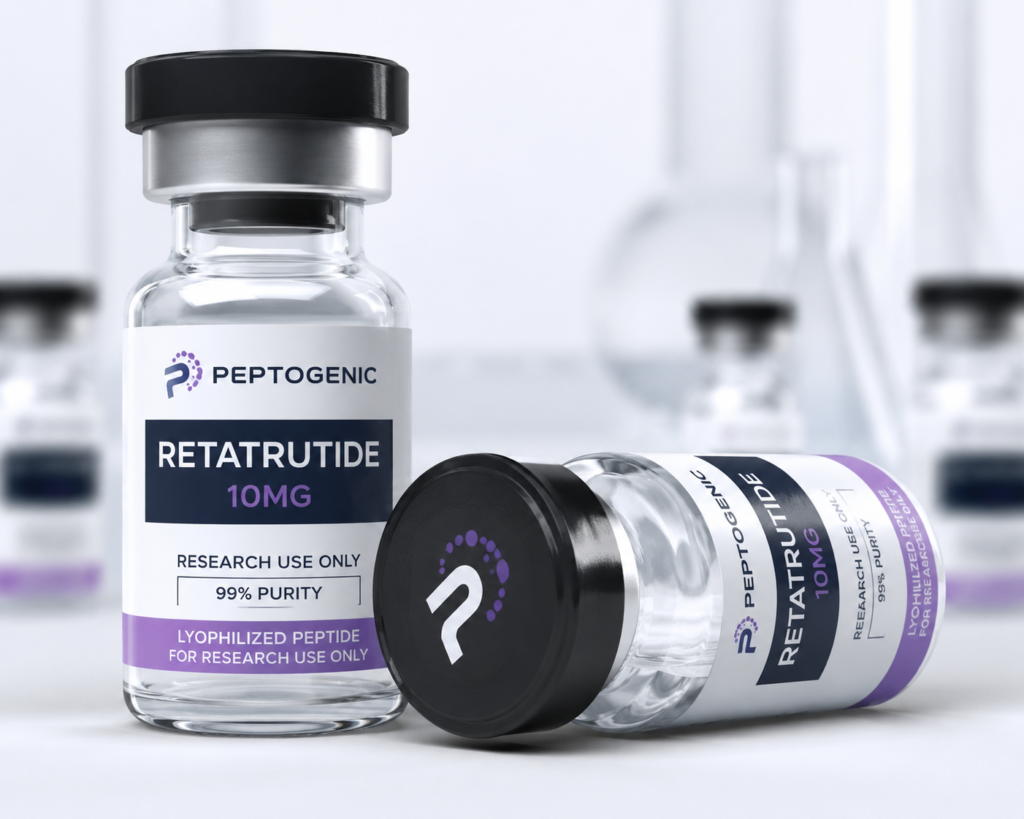
retatrutide
Retatrutide is an investigational biologically active peptide studied in clinical and research settings. Any use should follow appropriate medical guidance and regulatory requirements.
Weight management is not a single treatment or a one-size-fits-all process. The most appropriate approach depends on a person’s health, medical history, current medicines and individual circumstances.
Common approaches include:
- Nutrition and lifestyle support.
- Physical activity and behavioural programmes.
- Clinically supervised weight management.
- Prescription medicines for eligible patients.
- Specialist obesity care when medically appropriate.
- Long-term strategies to help maintain weight changes.
Some people can make meaningful progress through sustainable lifestyle changes, while others may benefit from additional medical support.
Prescription medicines are not suitable for everyone. A qualified healthcare professional should assess eligibility, potential benefits, contraindications and risks before recommending treatment.
Why Is Weight Management Receiving So Much Attention?
Public interest has grown alongside developments in obesity medicine, increasing awareness of metabolic health and the availability of new treatment formulations.
Social media and online discussions have also increased awareness of medicines associated with weight management. However, popularity does not establish that a product is suitable, safe or authorised for a particular use.
Readers should distinguish reliable medical information from influencer claims, unverified testimonials and advertisements that promise rapid results.
What Are GLP-1 Medicines?
GLP-1 stands for glucagon-like peptide-1, a naturally occurring hormone involved in appetite regulation and blood glucose control.
Some prescription medicines act on the GLP-1 receptor. Depending on the medicine, they can influence feelings of fullness, appetite and blood glucose regulation.
Examples of medicines acting on this pathway include semaglutide and liraglutide. Tirzepatide acts on both GIP and GLP-1 receptors.
These medicines have different approved indications, prescribing requirements and safety considerations. Their suitability depends on the individual and the specific product.
A medicine approved for type 2 diabetes is not automatically authorised for weight management under every brand name or in every country.
How Do GLP-1-Based Medicines Work?
GLP-1 receptor agonists mimic aspects of the activity of the natural GLP-1 hormone. Their effects can include glucose-dependent stimulation of insulin secretion, reduced glucagon secretion and changes in appetite regulation.
Some weight loss treatments also slow gastric emptying, particularly during the early stages of treatment.
Tirzepatide has a different mechanism because it acts on two receptor pathways, GIP and GLP-1.
These mechanisms are complex, and individual responses vary. Clinical outcomes depend on the medicine, the authorised treatment regimen, patient characteristics and other factors.
No medicine guarantees a particular amount of weight loss.
Semaglutide vs Tirzepatide: What Is the Difference?
Semaglutide and tirzepatide are two different active ingredients used in prescription medicines.
Semaglutide acts on the GLP-1 receptor. Tirzepatide acts on both GIP and GLP-1 receptors.
Although both are associated with weight management in specific authorised settings, they are not interchangeable products.
Important differences include their mechanisms of action, approved indications, dosing schedules, contraindications and available formulations.

Clinical trials have investigated their effects in different patient populations. Comparing results requires attention to study design, treatment duration, participants and the doses studied. Results from one clinical trial should not automatically be applied to every patient.
Which Weight Loss Treatments Is Right for an Individual?
There is no universally best option for everyone.
A healthcare professional may consider a person’s medical history, body mass index, existing conditions, current medicines, treatment goals and the authorised indications of the available products.
Patients should not combine treatments, change prescribed doses or switch between medicines without professional advice.
Online comparisons can help readers understand the terminology, but they cannot replace an individual medical assessment.
Weight Loss Pills vs Injections: What Is the Difference?
Medicines may be supplied in oral or injectable formulations, depending on the active ingredient and authorised product.
Oral medicines are taken by mouth, while injectable formulations are administered using the prescribed injection method. Their absorption, administration instructions and dosing schedules can differ considerably.

The formulation alone does not determine whether a medicine is more effective, safer or more appropriate for a particular person.
Are Oral Weight Management Medicines Available in 2026?
Regulatory developments have expanded interest in oral treatments.
In the United Kingdom, the Medicines and Healthcare products Regulatory Agency approved a semaglutide tablet for weight management on 11 June 2026 for eligible adults under its authorised conditions.
In the European Union, the European Medicines Agency recommended an extension of the Wegovy authorisation to include an oral formulation in 2026. A recommendation and final marketing authorisation are distinct regulatory steps.
Approval, actual availability, prescribing arrangements and reimbursement can vary by country. Readers should check the latest information from their national medicines regulator and healthcare provider.
Oral formulations still have specific administration requirements and potential adverse effects. They should not be assumed to be risk-free simply because they are tablets rather than injections.
What Are the Potential Side Effects of Weight Loss Medicines?
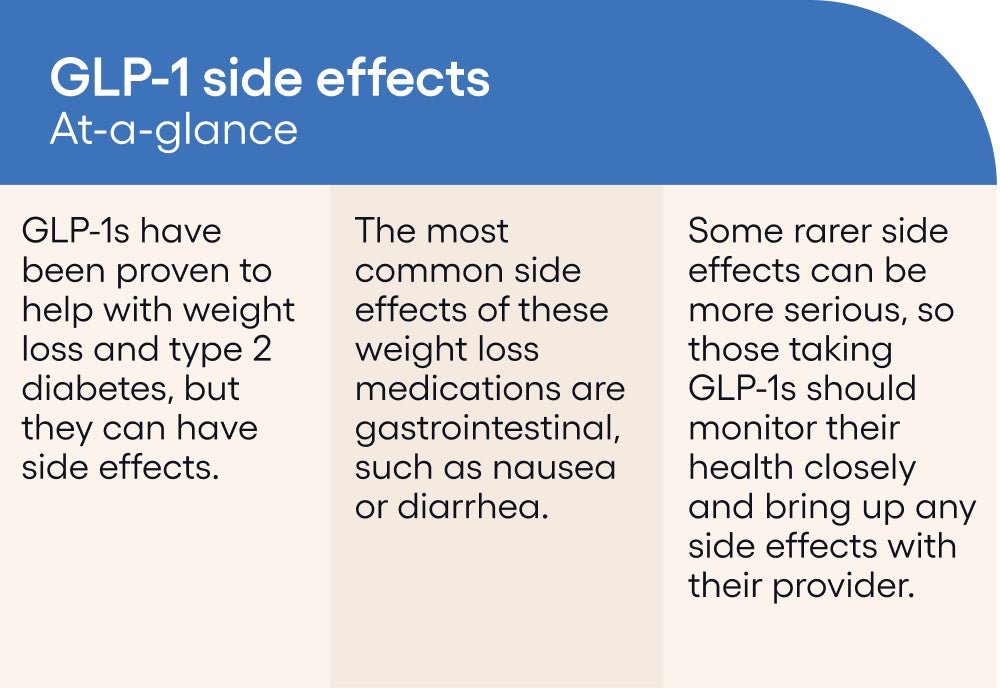
Side effects depend on the specific medicine, its authorised use and the individual taking it.
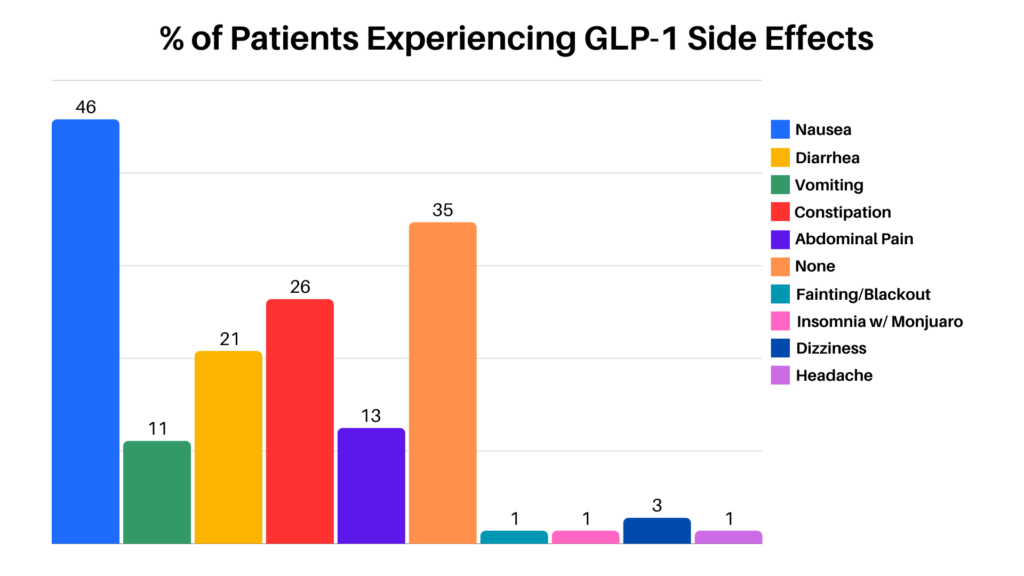
Gastrointestinal symptoms are among the commonly reported adverse effects of some GLP-1-based medicines. These can include:
- Nausea.
- Vomiting.
- Diarrhoea.
- Constipation.
- Abdominal discomfort.
Other precautions and serious risks vary between products. A patient should read the official patient information leaflet and discuss personal risk factors with a qualified healthcare professional.
When Should Someone Seek Medical Advice?
Anyone experiencing severe or persistent symptoms while taking a medicine should contact a healthcare professional promptly.
Severe abdominal pain, difficulty breathing or signs of a serious allergic reaction require urgent medical assessment.
People should not rely solely on online forums or social media to determine whether a symptom is harmless. Suspected adverse reactions can also be reported through the appropriate national medicines safety reporting system.
How Can People in the UK Find Reliable Weight Management Information?
People researching weight loss medication in the UK should use authoritative sources and confirm the current status of any medicine.
Useful steps include:
- Consult a qualified healthcare professional about personal eligibility.
- Check the medicine’s authorised indications and official patient information.
- Use a legitimate pharmacy and follow prescription requirements.
- Discuss existing medical conditions and other medicines before starting treatment.
- Attend appropriate follow-up appointments and report adverse effects.
The Medicines and Healthcare products Regulatory Agency regulates medicines in the UK. Its guidance explains the differences between licensed medicines, their approved uses and products that do not have the necessary authorisation.
Prescription-only medicines must be prescribed and supplied through the appropriate legal healthcare channels. Online availability does not establish that a product is legitimate or suitable for human use
.
What Should European Readers Know About Treatment Availability?
Europe is not one uniform healthcare market.
Although certain medicines may receive European Union marketing authorisation, national supply, reimbursement, prescribing pathways and practical access can differ.
The rules may also differ between EU member states and countries outside the EU, including the United Kingdom.
Readers in France, Germany, Ireland, Spain, Italy, Sweden, Finland, Denmark, the Netherlands and other European countries should consult their national medicines regulator or healthcare professional for country-specific information.
A product being advertised on a website does not prove that it is authorised in the reader’s country.
Research Peptides vs Authorised Medicines: Understanding the Difference
The term “peptide” describes a broad class of molecules. It does not, by itself, establish that a substance is a medicine, that it has been adequately studied in humans or that it is safe for a particular purpose.
Research-use substances and authorised prescription medicines must not be treated as equivalent.
A research product may lack the clinical evidence, manufacturing controls, approved indications and safety information expected of an authorised medicine.
Laboratory purity results alone do not demonstrate clinical effectiveness, appropriate dosing or safety in humans.
Before accepting claims about an experimental peptide, readers should look for credible human clinical evidence, published safety data and confirmation of the substance’s regulatory status.
People should not self-administer research chemicals or substitute them for prescribed treatment.
How Do Nutrition and Lifestyle Support Long-Term Weight Management?
Medicines, when clinically appropriate, are only one part of a wider approach to health.
Long-term weight management may also involve nutrition, physical activity, sleep, behavioural support and ongoing clinical care.
Build Sustainable Eating Habits
A balanced eating pattern can help support general health. Appropriate dietary choices depend on personal nutritional needs, preferences, medical conditions and professional guidance.
Highly restrictive diets and unverified supplements should not be assumed to produce lasting results.
Include Appropriate Physical Activity
Physical activity can support cardiovascular health, physical function, strength and general wellbeing.
The most appropriate activity level depends on a person’s abilities and medical circumstances. People with health conditions or mobility limitations may benefit from tailored professional guidance.
Focus on Long-Term Health
Weight can fluctuate for many reasons, and progress should not be judged solely by daily scale measurements.
People receiving medical treatment may benefit from ongoing support, regular assessment and a plan for maintaining healthy behaviours over time.
How to Evaluate Online Claims About Weight Loss Treatments
Online content can make it difficult to distinguish reliable medical information from commercial claims.
Before trusting a website, check whether it identifies credible sources, distinguishes research findings from established treatment options and explains the limitations of available evidence.
Be cautious of claims that promise guaranteed results, immediate effects, no side effects or a treatment that is suitable for everyone.
Also be careful with products sold without appropriate medical oversight, particularly substances that require mixing before injection or that are labelled for research use.
A professional-looking website or laboratory certificate is not a substitute for the required medicinal authorisation and evidence of clinical safety.
Frequently Asked Questions About Weight Loss Treatments
What are the main weight management options in 2026?
Options can include nutrition and lifestyle support, behavioural programmes, specialist care and prescription medicines for eligible patients. The appropriate approach depends on individual circumstances.
What is the difference between semaglutide and tirzepatide?
Semaglutide acts on the GLP-1 receptor, whereas tirzepatide acts on both GIP and GLP-1 receptors. Their approved uses, administration and safety considerations differ.

Are weight loss medicines available throughout Europe?
Availability varies by country. European authorisation, national supply, reimbursement and prescribing arrangements should be checked separately.
Are research peptides the same as prescription medicines?
No. Research-use products should not be assumed to have the clinical evidence, regulatory authorisation or safety profile required for human treatment.
Can someone choose a medicine based on online reviews?
Online experiences cannot establish whether a medicine is suitable for an individual. Treatment decisions should be made with an appropriately qualified healthcare professional.
Where can readers find reliable information about medicine safety?
In the UK, the MHRA publishes medicine safety guidance. In the EU, the European Medicines Agency provides information about centrally authorised medicines. National regulators and official patient information leaflets provide additional country-specific guidance.
Conclusion
Weight management continues to develop in 2026, with growing public interest in prescription medicines, oral formulations, clinical research and long-term health.
For people in the United Kingdom and across Europe, the most useful starting point is reliable information about treatment options, potential side effects, eligibility and regulatory status.
Readers should distinguish authorised medicines from experimental substances, avoid unsupported claims and seek advice from qualified healthcare professionals before making treatment decisions.
Medical information notice: This article is intended for general educational purposes. It does not provide individual medical advice, recommend a specific medicine or replace professional assessment.
Suggested authoritative references for publication:
- UK Medicines and Healthcare products Regulatory Agency (MHRA): GOV.UK medicine safety and weight management guidance.
- European Medicines Agency (EMA): official medicine authorisations and product information.
- Relevant national medicines regulators for country-specific requirements.
Review the article periodically because medicine authorisations, safety guidance and national availability can change.